Buying Pool Cues in Bulk for a Pool Hall, Bar or Club: Quantities, Wear and Wholesale Pricing
Share
Buying house cues for a pool hall, bar or club is a purchasing job, not a shopping trip. You are not choosing one cue you like — you are stocking a rack that dozens of strangers will use every week, and you will be buying it again. This guide covers the practical side: how many cues to buy, what wears out and how fast, what to buy alongside the cues, and when it makes sense to buy wholesale instead of retail.
For the playing side — which lengths and weights to put on the rack — see our companion guide, How to Choose Pool Cues for a Bar: Length, Weight and Quantity Guide.
How many cues per table?
A common rule of thumb is 4 to 6 cues per table on the rack, plus spares in the back room. The right number depends on how you run the room:
- Bar with one or two tables: 5–7 cues per table. Groups of friends play doubles, and someone always wants "the other weight".
- Pool hall with many tables: 4–5 cues per table on the wall racks is usually enough, because regulars bring their own cues.
- League nights and tournaments: plan for every player waiting their turn to want a cue in hand. A set of 10 per busy table is not too many.
Keep 10–20% extra in storage. When a cue warps or a tip falls off on a Friday night, a spare on the shelf is worth more than a discount on the next order.
What wears out — and how fast
House cues live a hard life: they are dropped, leaned against walls, used as a lever and left on the table rail. Plan your budget around what fails first:
- Tips. The first thing to go. On a busy table, tips flatten, mushroom or fall off within weeks to months. A tip kit and a few minutes of maintenance a week keep the whole rack playable. See How to Replace a Pool Cue Tip.
- Shafts. Warped shafts come from leaning cues in corners, not from play. Wall racks that hang cues vertically are the cheapest way to make cues last longer — browse cue racks.
- Whole cues. Cracked ferrules, broken joints and "lost" cues. Budget to replace part of the rack every year rather than all of it at once.
Two-piece cues with a standard joint make this easier: a damaged shaft can often be replaced on its own instead of throwing away the whole cue.
Buy matched sets, not random cues
Buying cues one by one leads to a rack of mismatched weights and lengths that players cannot tell apart. Matched sets solve this:
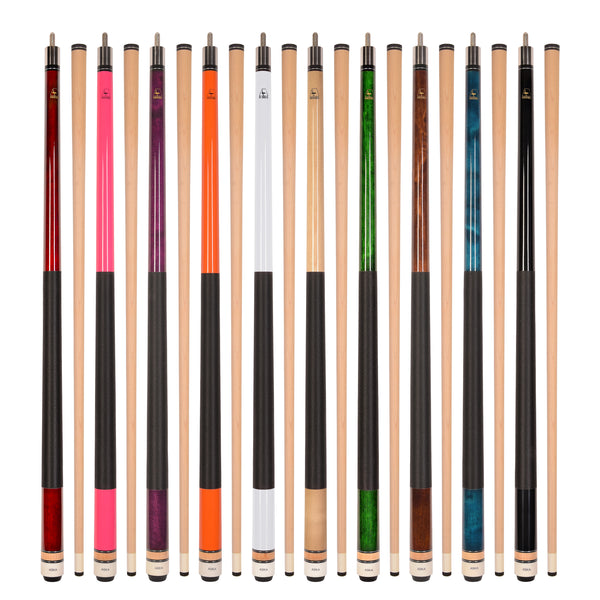
- Colour-coded mixed weights. ASKA L2 and L3 sets come in 18 to 21 oz with a colour per weight, so players find their weight on the rack at a glance.
- Sets of 5 in one colour and weight — easy to add 5 more 19 oz cues when that weight wears out first (it usually does).
- Sets of 10 — a full rack in one box: see sets of 10 pool cues, including the SP1 Sneaky Pete set with the classic house-cue look.
- Short cues for tables close to walls or pillars — sets of short cues.
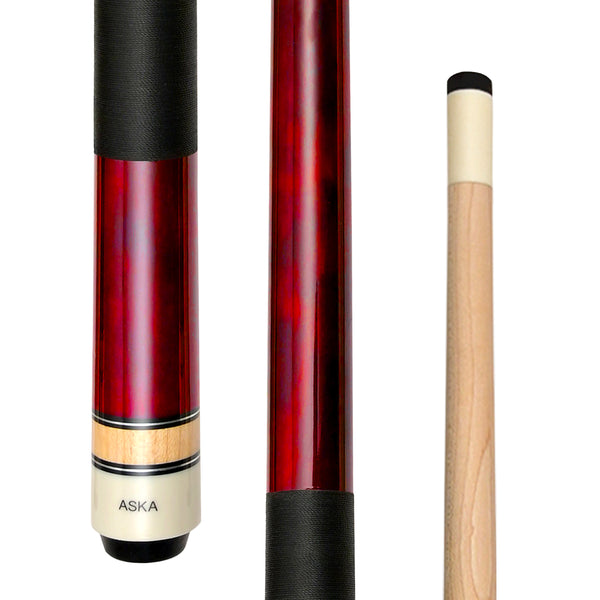
All ASKA house-cue sets are 58" Canadian hard rock maple with a 13 mm leather tip. Browse all pool cue sets.
What to buy with the cues
A room is more than its cue rack. When you place an order, it is usually cheaper to add the rest in the same shipment:
- Wall or floor racks — one per table or per wall.
- Ball sets — a spare set per table, since balls go missing. See ASKA billiard ball sets.
- Chalk, tips and a tip tool for weekly maintenance.
- Table covers to keep drinks and dust off the cloth after closing.
- A bridge per table, so players stop sitting on the rail.
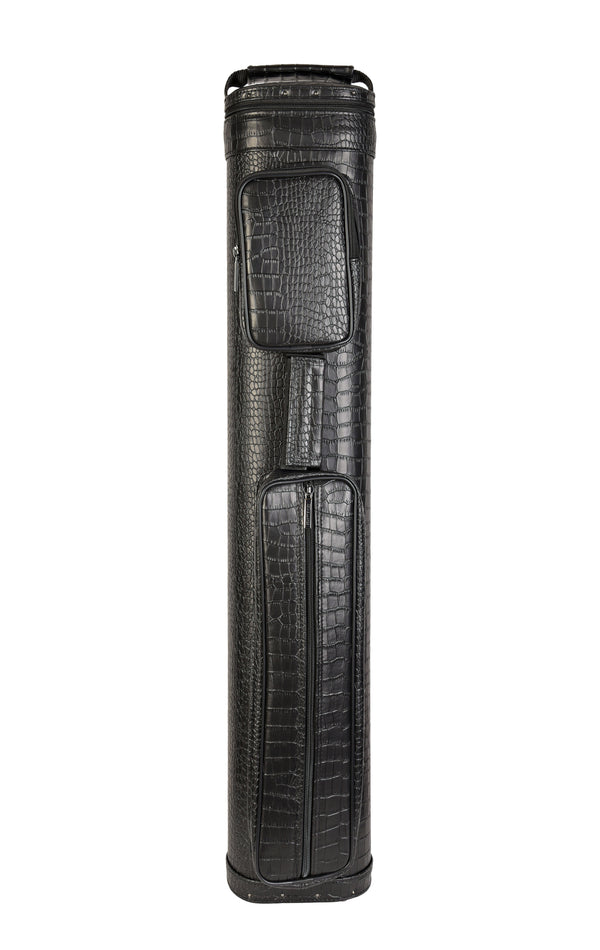
- A dealer case if you run leagues or events away from your room — dealer cases for 12 to 40 cues.
A simple yearly budget
Instead of buying a new rack every time something breaks, plan once a year:
- Count your tables and multiply by the cues you want per table.
- Add 10–20% spares.
- Assume part of the rack will need replacing during the year — worn tips, warped shafts, lost cues.
- Add the consumables: tips, chalk, a spare ball set per table.
That one list is also exactly what a supplier needs to quote you wholesale prices.
Retail or wholesale?
If you need one set for a single bar table, buying retail is simple and fast. If you run several tables, several locations, or you also sell cues to your players, buying as a dealer usually makes more sense:
- wholesale prices on the products you actually use;
- one order for cues, racks, balls and accessories;
- access to a dealer portal with live stock, so you can reorder in minutes;
- the option to sell cues to your regulars at a healthy margin.
ASKA works with pool halls, bars and clubs as dealers. There is no set minimum, but we are a wholesale supplier, so we expect an opening order in wholesale quantities. Send us your list — the same list you made for your yearly budget — and we reply within 2 business days with wholesale prices for it.