-
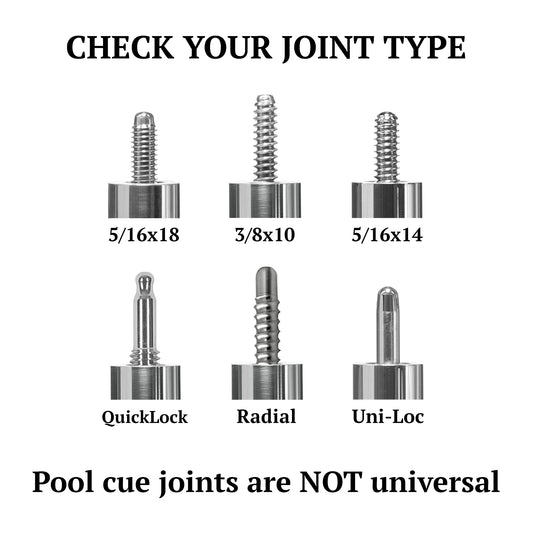
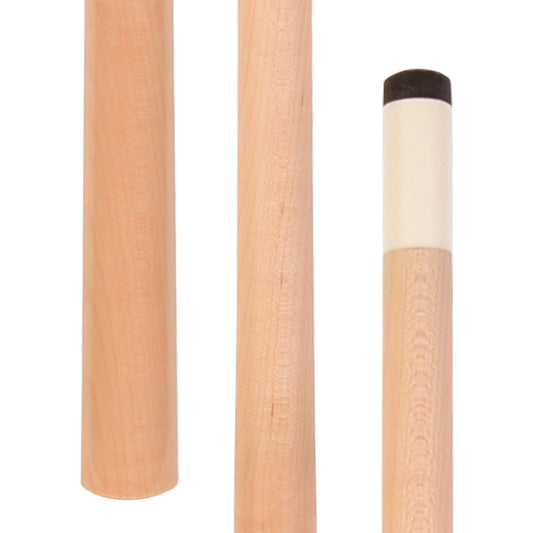
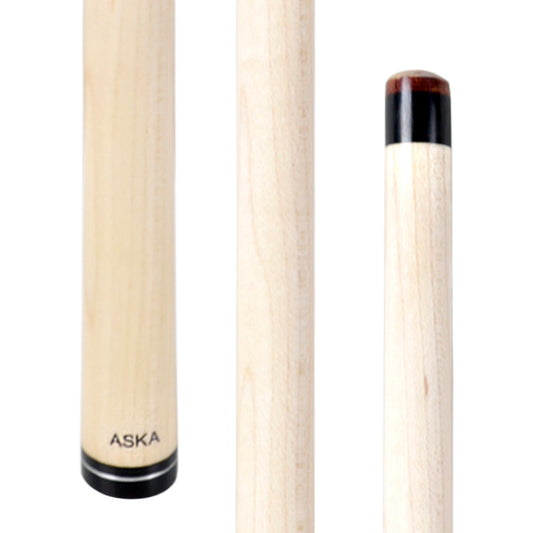
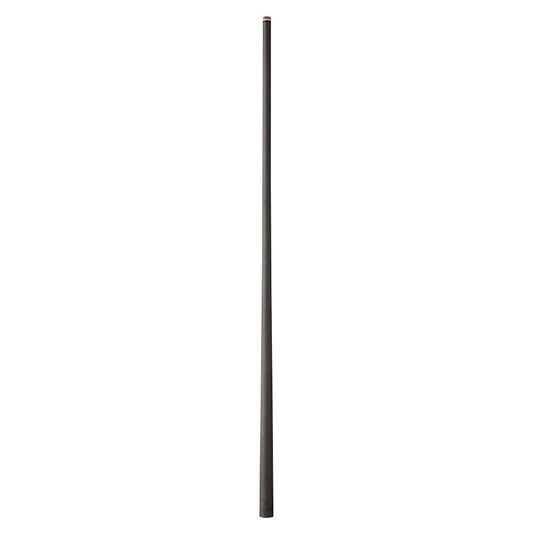
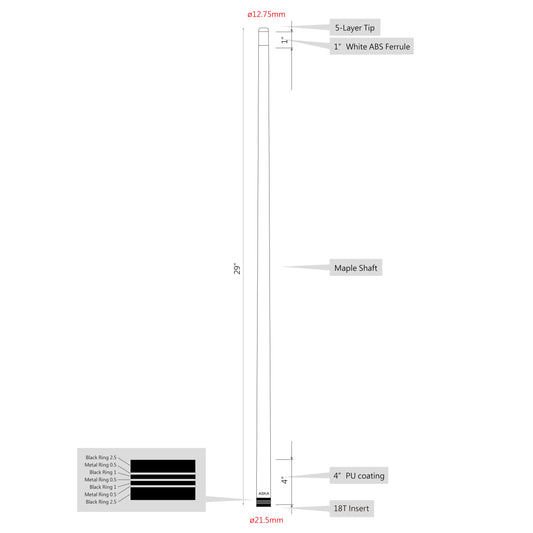
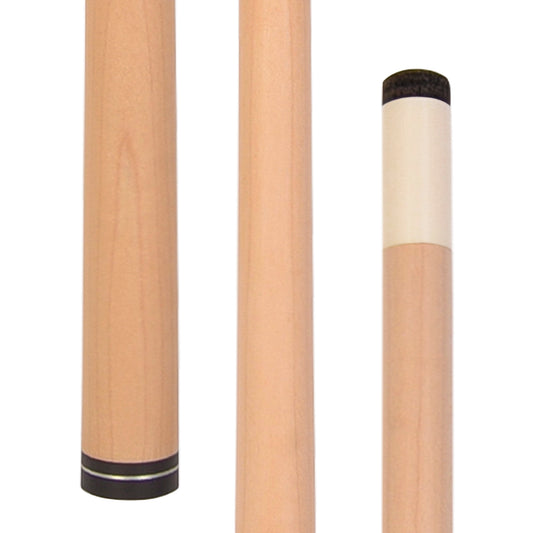
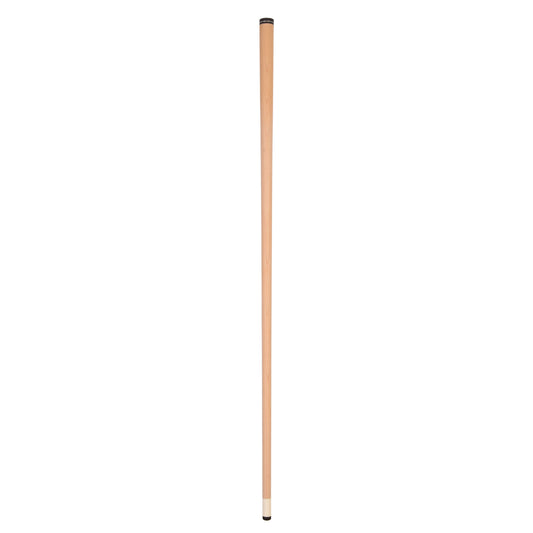
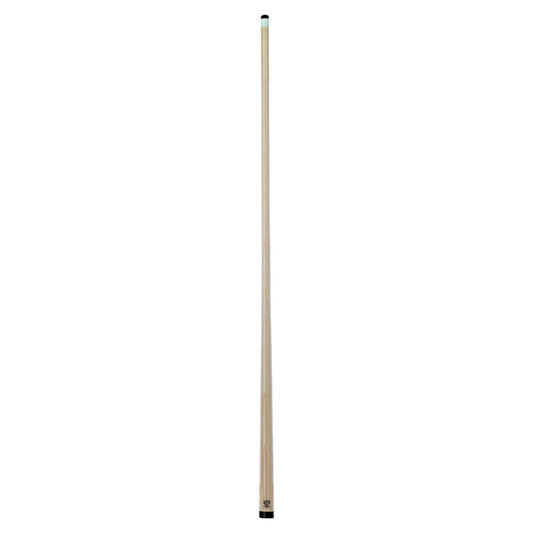
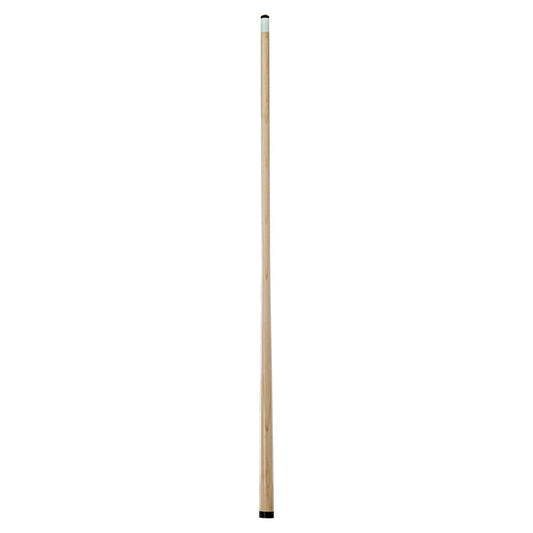
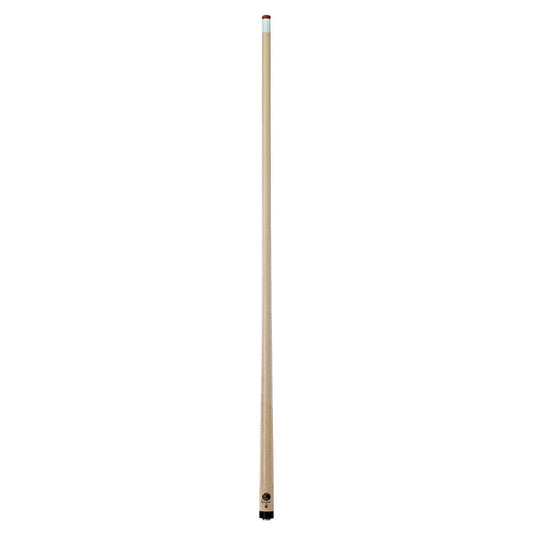
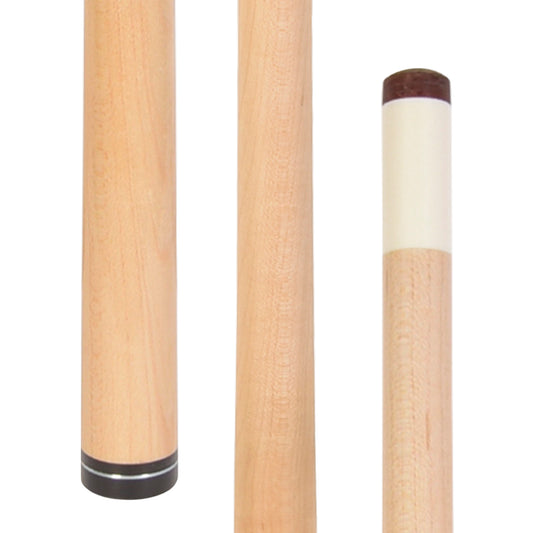
ASKA Replacement Pool Cue Shaft 29" – 5/16x18 Joint, 13mm Leather Tip, Canadian Hard Rock Maple (XSL2)
Vendor:ASKARegular price $55.00 CADRegular priceUnit price per$69.95 CADSale price $55.00 CADSale -
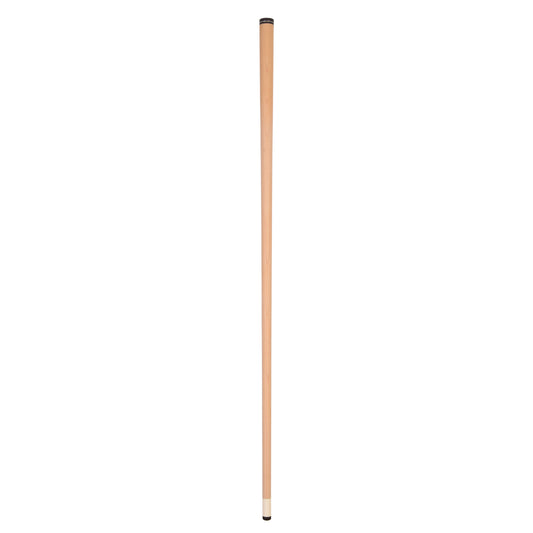
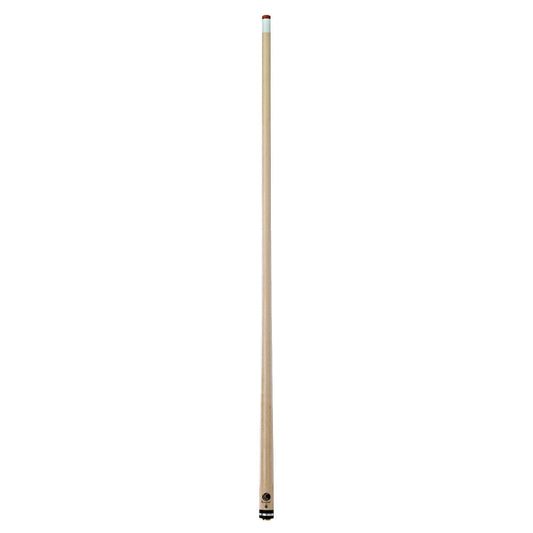
ASKA Sneaky Pete Style Extra Spare Shaft 5/16x18 Thread Joint 12.75mm Hard Brown Tip. Canadian Hard Rock Maple, No Collar, 29 inches, XSSP-18
Vendor:ASKARegular price $69.95 CADRegular priceUnit price per$80.00 CADSale price $69.95 CADSale -
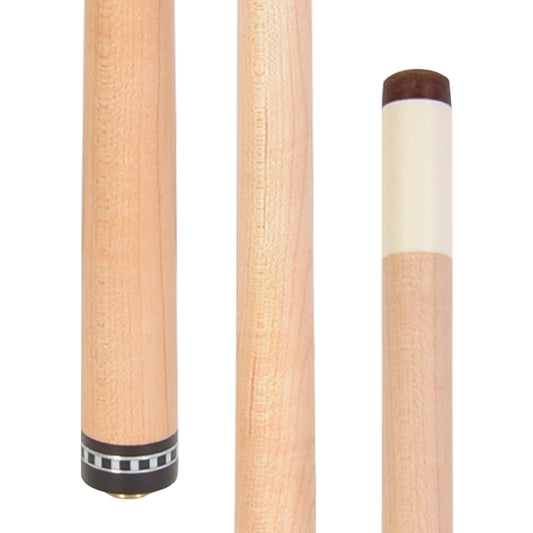
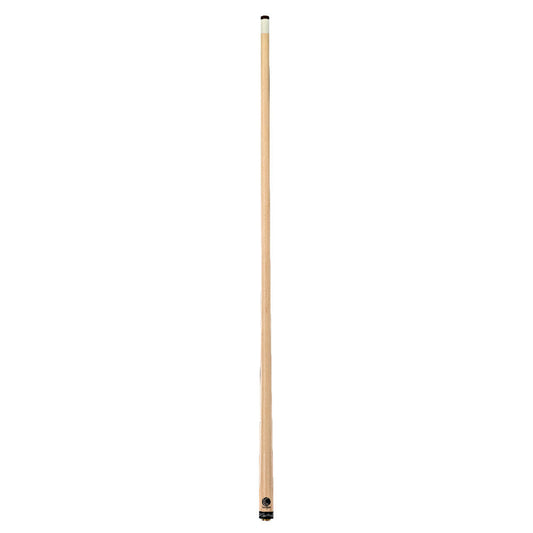
ASKA Uniloc 12.75mm Extra Spare Shaft with Dashed Ring. Canadian Hard Rock Maple, Black Collar with Black Dashed Ring, XS1275DRUNI
Vendor:ASKARegular price $99.95 CADRegular priceUnit price per -
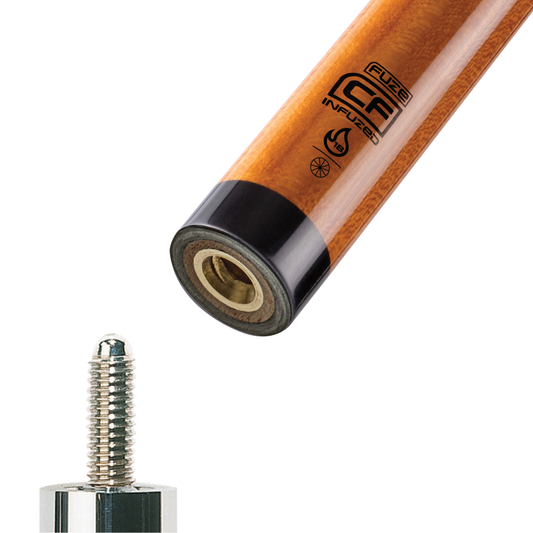
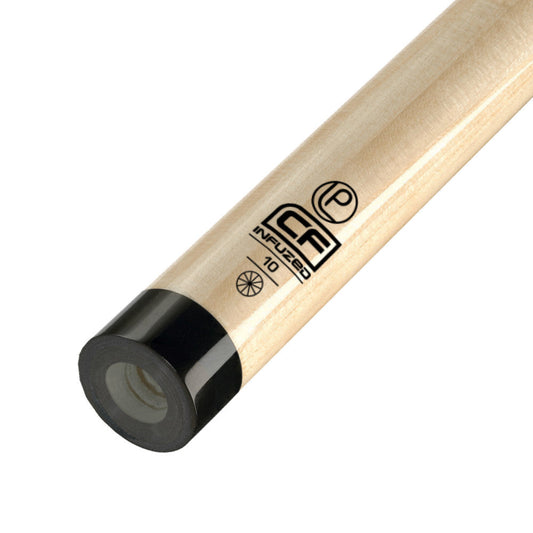
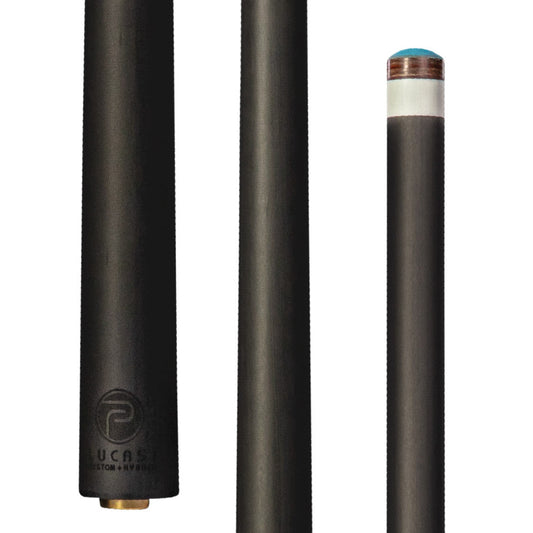
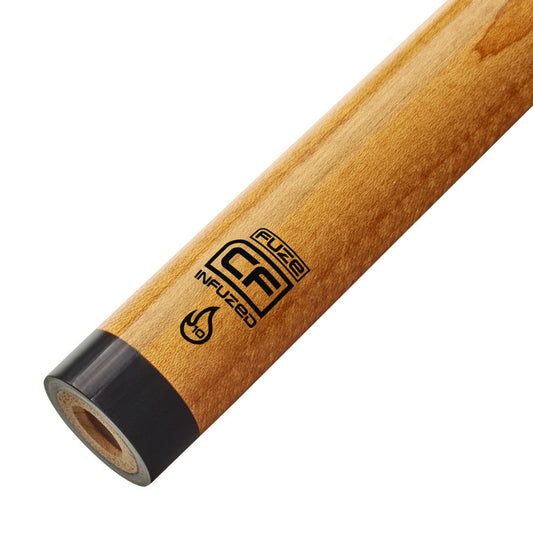
Lucasi Pro Kielwood 10-Splice CF InFUZED Shaft
Vendor:LucasiRegular price $644.00 CADRegular priceUnit price per -
ASKA BREAK Extra Spare Shaft 5/16x18 Thread Joint 13mm Phenolic Brown Tip with 10mm Black Phenolic Ferrule. Canadian Hard Rock Maple, Black Collar with Ring, 29 inches, XSBK
Vendor:ASKARegular price $79.95 CADRegular priceUnit price per -
Lucasi Pro Maple 10-Splice CF InFUZED Shaft
Vendor:LucasiRegular price From $629.95 CADRegular priceUnit price per -
ASKA Extra Spare Shaft For JBC FB, Q5 - Quick Release Joint
Vendor:ASKARegular price $69.95 CADRegular priceUnit price per -
Pure X HXT 12.75mm Low Deflection Pool Cue Shaft
Vendor:Pure XRegular price $274.95 CADRegular priceUnit price per -
Pure X Carbon Fiber Break Shaft
Vendor:Pure XRegular price From $489.95 CADRegular priceUnit price per -
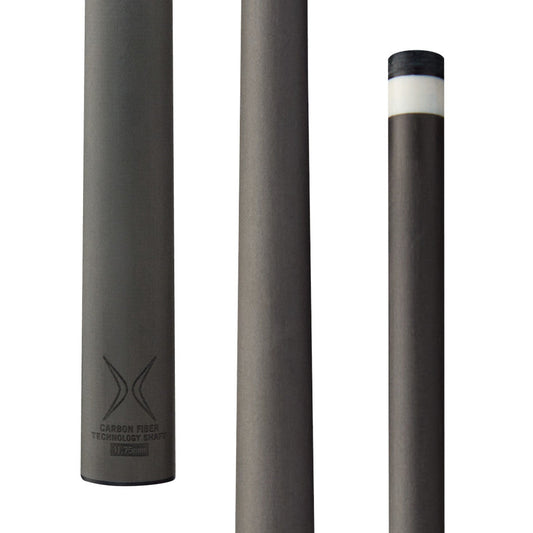
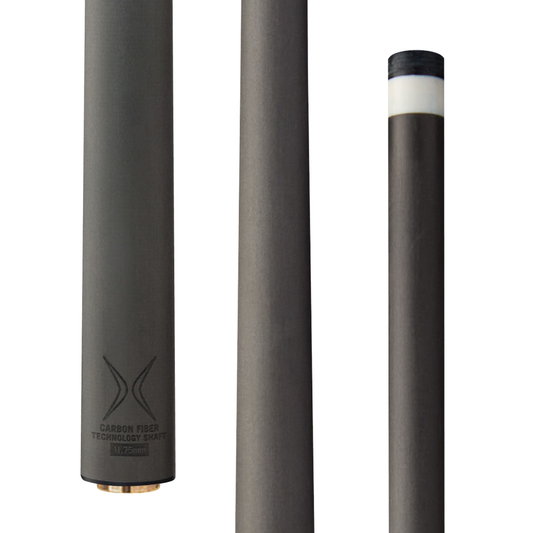
Pure X Carbon Fiber 29" Shaft
Vendor:Pure XRegular price $414.95 CADRegular priceUnit price per -
Lot of 20 - ASKA Extra Spare Shaft 5/16x18 Thread Joint 13mm Hard Brown Tip. Canadian Hard Rock Maple, Black Collar with Ring, 29 inches, XSL2
Vendor:ASKARegular price $550.00 CADRegular priceUnit price per -
Lucasi Custom Zero Flexpoint Solid Core Shaft
Vendor:LucasiRegular price From $342.00 CADRegular priceUnit price per -
ASKA Extra Spare Shaft 5/16x18 Thread Joint 12.75mm Hard Brown Tip. Canadian Hard Rock Maple, Black Collar with Triple Ring, 29 inches, XSTR-18
Vendor:ASKARegular price $69.95 CADRegular priceUnit price per -
ASKA Extra Spare Shaft 5/16x14 Thread Joint 12.75mm Hard Brown Tip. Canadian Hard Rock Maple, Black Collar with Ring, 29 inches, XS14
Vendor:ASKARegular price $69.95 CADRegular priceUnit price per -
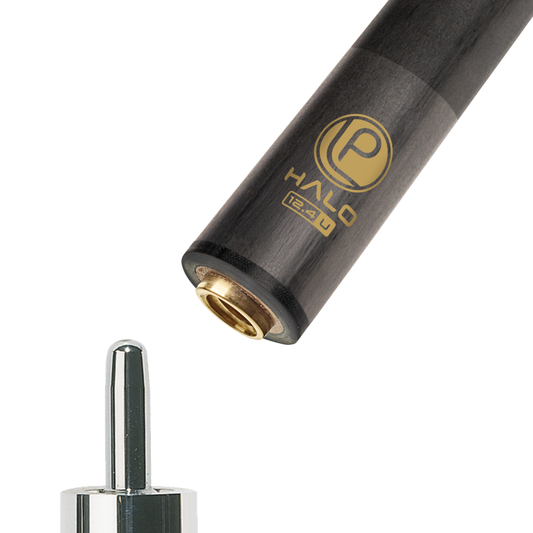
Lucasi Pro Halo Carbon Fiber Shaft
Vendor:LucasiRegular price $774.00 CADRegular priceUnit price per -
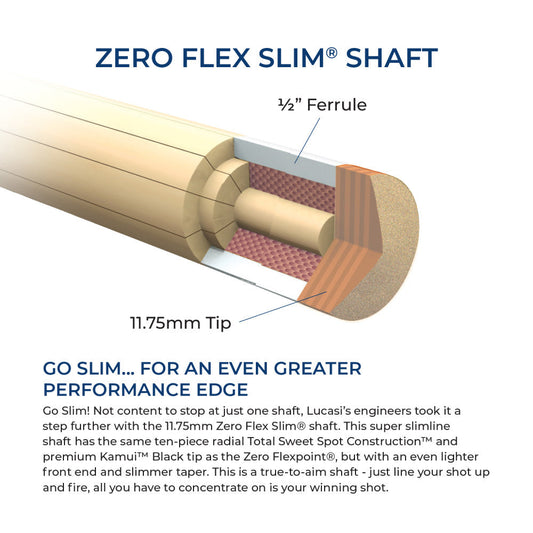
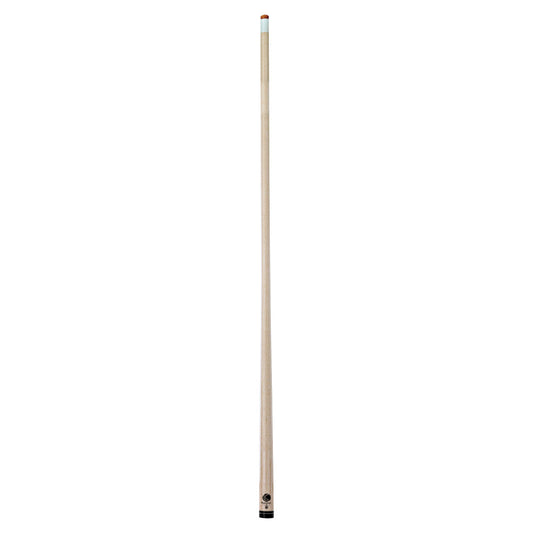
Lucasi 11.75mm Lucasi Custom® Zero Flex Slim® Solid Core Low Deflect. Tech. Shaft, Radial Silver Ring (LZXS-RBCSL)
Vendor:LucasiRegular price $334.95 CADRegular priceUnit price per -
ASKA Uniloc 12.75mm Extra Spare Shaft. Canadian Hard Rock Maple, XSSP-UNI
Vendor:ASKARegular price $109.95 CADRegular priceUnit price per -
ASKA Extra Spare Shaft 3/8x10 Thread Joint 12.75mm Hard Brown Tip. Canadian Hard Rock Maple, Black Collar, 29 inches, XS1275BCNR-10
Vendor:ASKARegular price $69.95 CADRegular priceUnit price per -
Pure X PSK 11.75mm Shaft
Vendor:Pure XRegular price From $249.95 CADRegular priceUnit price per -
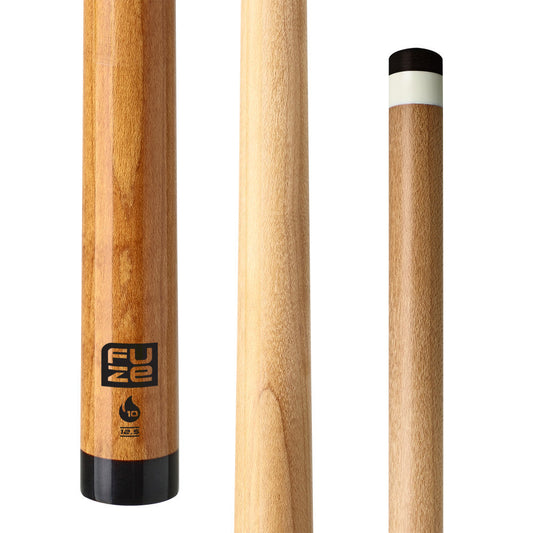
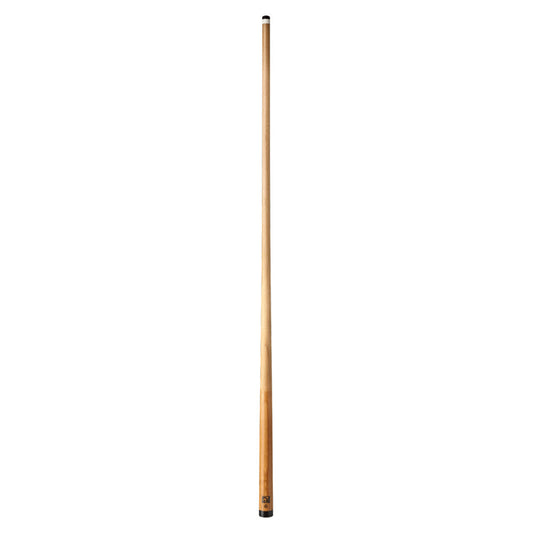
Pure X Kielwood FUZE Shaft - 12.5mm
Vendor:Pure XRegular price $504.95 CADRegular priceUnit price per -
Pure X Kielwood FUZE Low Deflection Pool Cue Shaft - 11.75mm
Vendor:Pure XRegular price $504.95 CADRegular priceUnit price per -
Pure X Carbon Fiber 30" Shaft
Vendor:Pure XRegular price $424.95 CADRegular priceUnit price per -
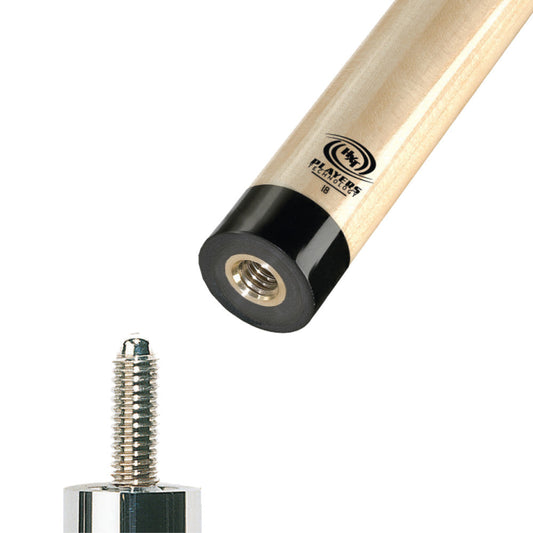
Players 12.75 Standard Shaft
Vendor:PlayersRegular price $124.95 CADRegular priceUnit price per -
Players 11mm Snooker Shaft | 5/16x18 Joint | North American Maple
Vendor:PlayersRegular price From $134.95 CADRegular priceUnit price per -
Lucasi Pinnacle Carbon Fiber Shaft
Vendor:LucasiRegular price From $629.95 CADRegular priceUnit price per -
Lucasi Hybrid Zero Flexpoint Spliced 12.75mm Shaft
Vendor:LucasiRegular price From $464.95 CADRegular priceUnit price per -
Lucasi Hybrid Zero Flex Slim 11.75mm 10-Splice Shaft
Vendor:LucasiRegular price From $464.95 CADRegular priceUnit price per -
Pure X Kielwood CF InFUZED Solid Shaft
Vendor:Pure XRegular price From $534.95 CADRegular priceUnit price per -
Lucasi Hybrid Carom Splice Shaft (LCRHXS)
Vendor:LucasiRegular price $639.95 CADRegular priceUnit price per -
ASKA Uniloc 12.75mm Extra Spare Shaft with Metal Ring. Canadian Hard Rock Maple, Black Collar with Black Dashed Ring, XS1275SRUNI
Vendor:ASKARegular price $99.95 CADRegular priceUnit price per -
Lucasi Hybrid Zero Flex Slim 11.75mm Blank Shaft | 10-Splice Low Deflection (HX8-PARTIAL)
Vendor:LucasiRegular price $193.00 CADRegular priceUnit price per$464.00 CADSale price $193.00 CADSale -
Lucasi Hybrid Zero Flex Slim Spliced 5/16 x 18 11.75mm Shaft (HX8-SRP)
Vendor:LucasiRegular price $449.95 CADRegular priceUnit price per